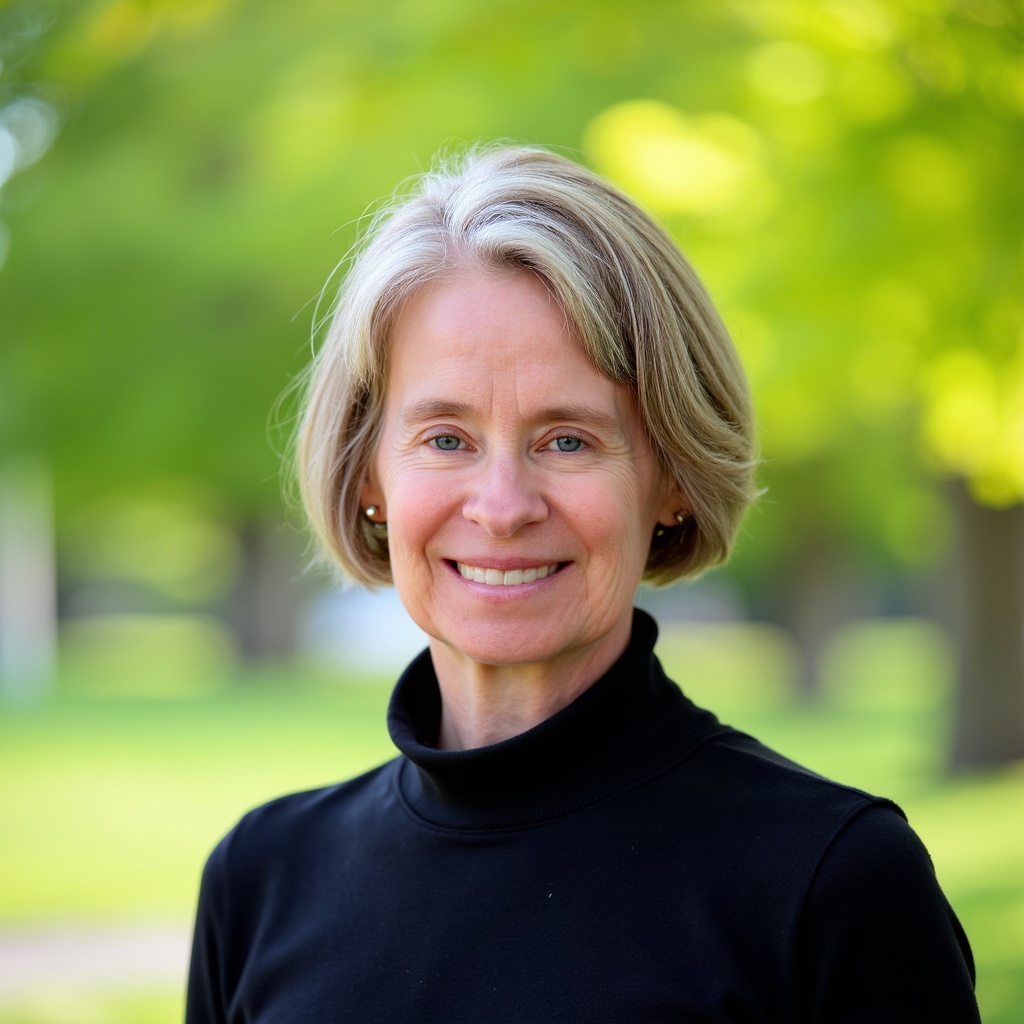
Featured Image: The Chaotic Forager
“Shrimp of the woods mushrooms look like a lump of dog poop, but they actually have a mild fish flavor and make great breaded shrimp,” Gabrielle Cerberville tells the audience at a recent foraging talk. Other edible varieties of mushrooms taste like crab, lobster, maple syrup, and apricots.
Cerberville, otherwise known as Chaotic Forager and sometimes as the Internet’s Mushroom Auntie, is a celebrated foraging educator, community mycologist, and climate advocate based in the Charlottesville area.
Cerberville’s social media following dubbed her the Mushroom Auntie. With over a million followers on TikTok, she is admired by younger women who look to her as a cool mentor or auntie as they seek to embrace the influencer’s mindful foraging philosophy.
She calls herself the Chaotic Forager because she has a lot going on in her head.
“Look at my bag – there’s a knitting project, a book, a sketch pad, and some watercolors. I kind of like living in that chaos,” she says.

It’s hard not to be won over by her humor and quirky social media content, whether she’s explaining how to “smash the ever-loving crap” out of oyster mushrooms to make them taste like steak or warning you to go slow when you first start eating tostones made from wild Jerusalem artichokes because they’ll make you toot.
From persimmon jam and juniper mocktails to mushroom steak and crab cakes, Cerberville knows how to create a gourmet feast from wild foraged plants, and she’s passionate about sharing her knowledge.
Why should we spend hours digging through the dirt when we could just run to the grocery store? You might wonder.
“I think it’s really important for us to notice what is going on around us. It’s part of how we develop values of respect, care, and honor. Foraging is good at teaching those things,” Cerberville explains. Learning how to mindfully move through an environment and think about what we actually need is valuable, especially in a culture that values immediacy and overconsumption.
“And it’s just incredibly nourishing to be outside. We spend a lot of time behind screens. It’s good to touch some plants and remember that your problems are probably not as important as you think they are.”
There’s a win for the planet too: harvesting invasive edible plants, like garlic mustard, makes room for native plants that are beneficial to the biodiversity of the area.
You might have an impression of a forager as a “lone wolf,” someone who runs off to live in the woods like a contestant on the reality TV show “Alone.” It couldn’t be farther from the truth, Cerberville says. Realistically, that person is hungry, worn out, and probably ill. Foraging is about community.
“Most of the things I teach people are best done in community. It’s a lot more fun to process food with other people,” she says.
In addition to the positive benefits of connection, foraging in the community adds another layer of safety as you identify wild edibles together.
With a mild climate and diverse ecosystems, the South is a bounty for foraging, with harvesting possible throughout the year. From Autumn Olive on the edge of soccer fields to walnuts and acorns, wild edible plants are all around us.

The South has a rich historical context for gathering wild food. Enslaved Black people would supplement their diets or sell food that they foraged. Soldiers roasted Chicory roots for a coffee substitute during the Civil War because it was easier to get than coffee beans. During the American Revolution, when imported spices were expensive and hard to get, people used spice bush berries for seasoning.
We should consider foraging, Cerberville suggests, because it connects us to the planet and makes us value food more when we have to find it ourselves. Making a puffball mushroom pizza is infinitely more satisfying than a Domino’s delivery because of the work that goes into it and our connection to the earth.
One of the best ways to get started is to join a local Facebook foraging or mushroom group for your region. Ask questions and look at what other people are finding. Keep safe by making sure that you are in community as quickly as possible because other people can be that extra set of eyes to confirm your findings.
“A cautious forager is a safe forager. Try to just start identifying stuff before you think of it as food. Noticing what’s around you is so much more important than coming home with a basket full of food,” says Cerberville, who leads foraging tours in Virginia.
Another resource is Cerberville’s book, published last fall, called “Gathered: On Foraging, Feasting, and the Seasonal Life.” Part memoir and part hands-on guide, you’ll learn to whip up dishes like Chanterelle Peach Pie with Basil from mushrooms you forage yourself.
“Sometimes people get really intimidated because they think they have to know a ton of stuff before they start. The best way to start is just by starting. There are plants that you know, berries that you know. And if you can identify them and pick them and cook them, you are a forager already.”
To learn more about her book or foraging workshops, visit www.chaoticforager.com
For more adventures in the South, click here.