In a quiet pocket of North Carolina’s coast, something unexpected is happening—caviar, a globally-recognized delicacy reserved for the most special of occasions, is being made…and it’s some of the freshest and most sustainably farmed in the country.
But this isn’t a glitzy, high-end operation tucked away in a major city. It’s a family-run farm, built on patience and passion.

A Scientist, a Question, and a Farm Unlike Any Other
The farm’s story begins with a question: How can America produce its own seafood without contributing to overfishing? It was posed by founder I.J. Won—a former geophysics professor and business owner with a passion for the ocean.
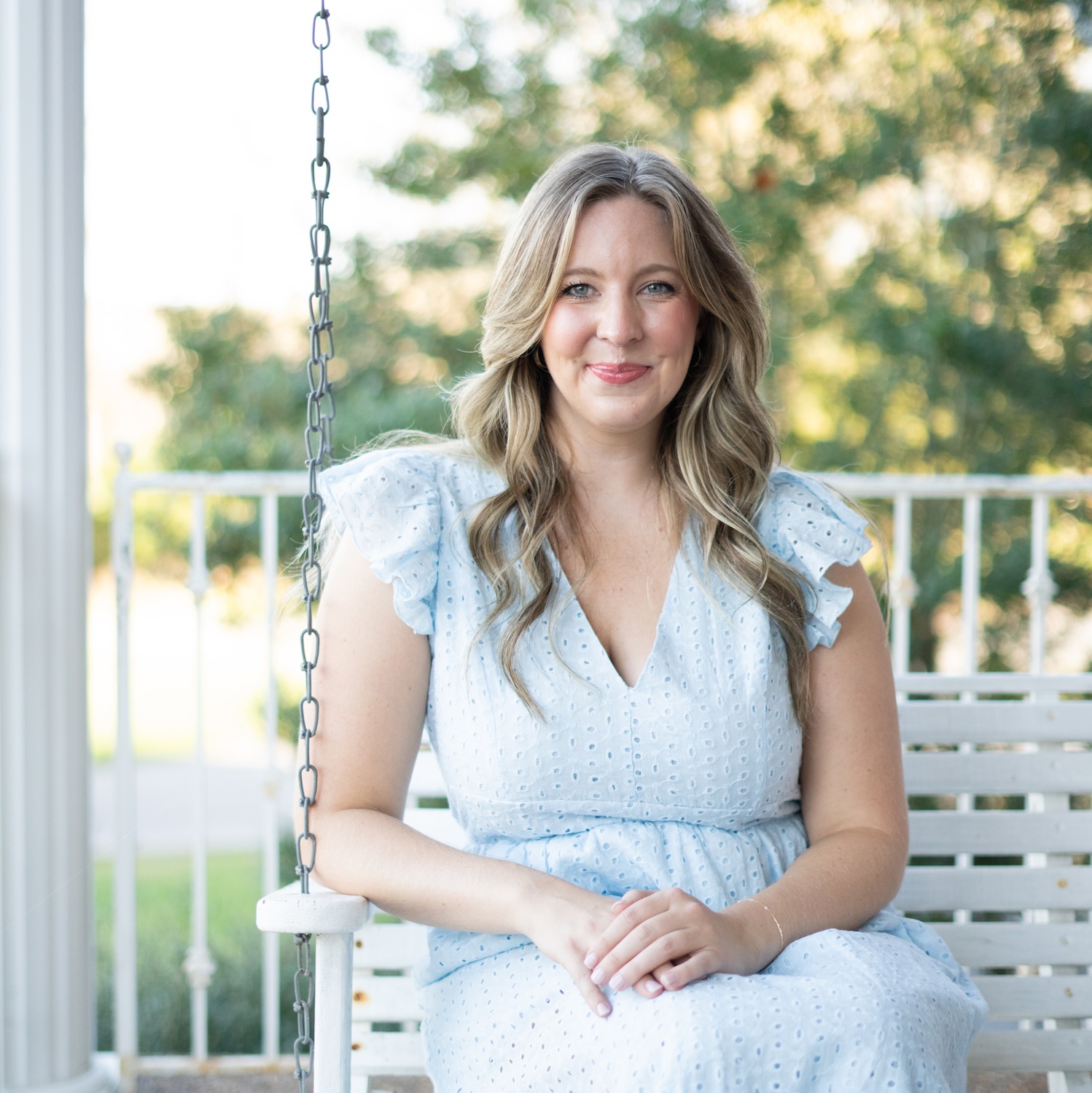
“He retired in the late 90s, but he couldn’t settle down—he’s always been passionate about seafood and fishing,” shares Lianne Reburn, Won’s daughter who’s taken the reins at Marshallberg Farm.
Instead of taking up a relaxing retirement hobby, he dove headfirst into aquaculture, determined to find a sustainable way for the U.S. to produce its own seafood—some 65% of the seafood in America is imported, and all of the world’s caviar is farm-raised. In fact, it’s illegal to farm caviar in the wild.
The answer? A cutting-edge, fully recirculating aquaculture system—the only one of its kind in the U.S. (and one of only two in the world).
“The difference between this type of aquaculture and others is that this is the only one that keeps the water recirculating and filtering like an aquarium,” Lianne explains. That means no pulling water from nearby rivers, no pollutants from upstream farms, and complete control over water quality. A system not only better for the consumer, but much better for the environment, too.

A Decade in the Making
This is not your average fish farm, and sturgeon are not your average fish.
“These fish are prehistoric animals,” she adds. “They haven’t changed since dinosaur times, and they grow really slowly. With tilapia, you can have it within a couple of months, but with these, you have to wait about 10 years.”
That’s right—10 years before the first caviar harvest. And when it comes time to harvest, Marshallberg Farm doubles down on their sustainable practices making sure nothing goes to waste.
“We harvest all the meat,” Lianne says. “We try to use every part of the fish. The skins go to a sustainable leather tannery in California—they were at Fashion Week last year. The swim bladders are used for art restoration, ancient weapon making, and bow and arrows—you get to know the things you never would’ve thought about.”

A Fresh Take on Caviar
If your only experience with caviar is the tiny tins tucked away in a gourmet shop, think again. Unlike mass-market caviar that sits preserved and sometimes changes tins, Marshallberg Farm takes a small-batch approach.
“We are able to pack all freshly harvested caviar into its final vacuum tin (never again exposing it to air or oxidation), and have a harvest sold within about a month and a half.” That’s a big contrast to most distributors, who store bulk-imported caviar for up to three years before repackaging. “As you can imagine, the product difference is night and day. Caviar is at its prime at around one month of aging. Then it slowly evolves, then degrades.”
When it comes to enjoying caviar, Lianne has one rule: keep it simple. “My favorite way is when somebody else does it,” she laughs, noting she’s often tasked with the tough job of quality control at the farm. “There are different vehicles for eating it. If it’s good caviar, you should be able to eat it plain on your hand and enjoy with champagne, vodka, or an IPA.”
For this approach, try the trendy ritual of a “caviar bump.” This involves placing a small spoonful of caviar on the back of your hand, allowing the warmth to enhance the flavors. Then lean in, slurp it down, and enjoy.

Want to Taste It for Yourself?
Want to see the farm (and taste the caviar) for yourself? Marshallberg Farm offers ticketed tours that include plenty of behind-the-scenes moments and, of course, caviar tastings. “We serve Social House vodka, a sustainable product of Kinston, NC. We serve this pair at every caviar farm tour and tasting that we host, and it’s always a big hit!”
With only five full-time employees, Marshallberg Farm is proof that small but mighty operations can make a big impact. And with a commitment to sustainability, quality, and good old-fashioned patience, they’re showing the world that some things—like fine caviar—are worth the wait.
Looking for more change makers around the South? Click here.